As we move into the heart of the season and mid‑season cold settles over Treetops, temperatures drop, winds increase, and long days on the mountain require a little more planning. For Treetops Ski Patrol, cold weather is part of the job. Whether responding to calls, riding lifts, or standing by on windy ridgelines, patrollers rely on smart layering to stay warm, focused, and ready. These tips are the same ones we use every day—and they work just as well for our guests.
1. Base Layer: Warm Starts With Dry
Everything begins with the base layer. Its primary role is moisture management. Even on the coldest days, skiing, riding, and walking uphill generate sweat. If that moisture stays against your skin, you’ll feel cold quickly.
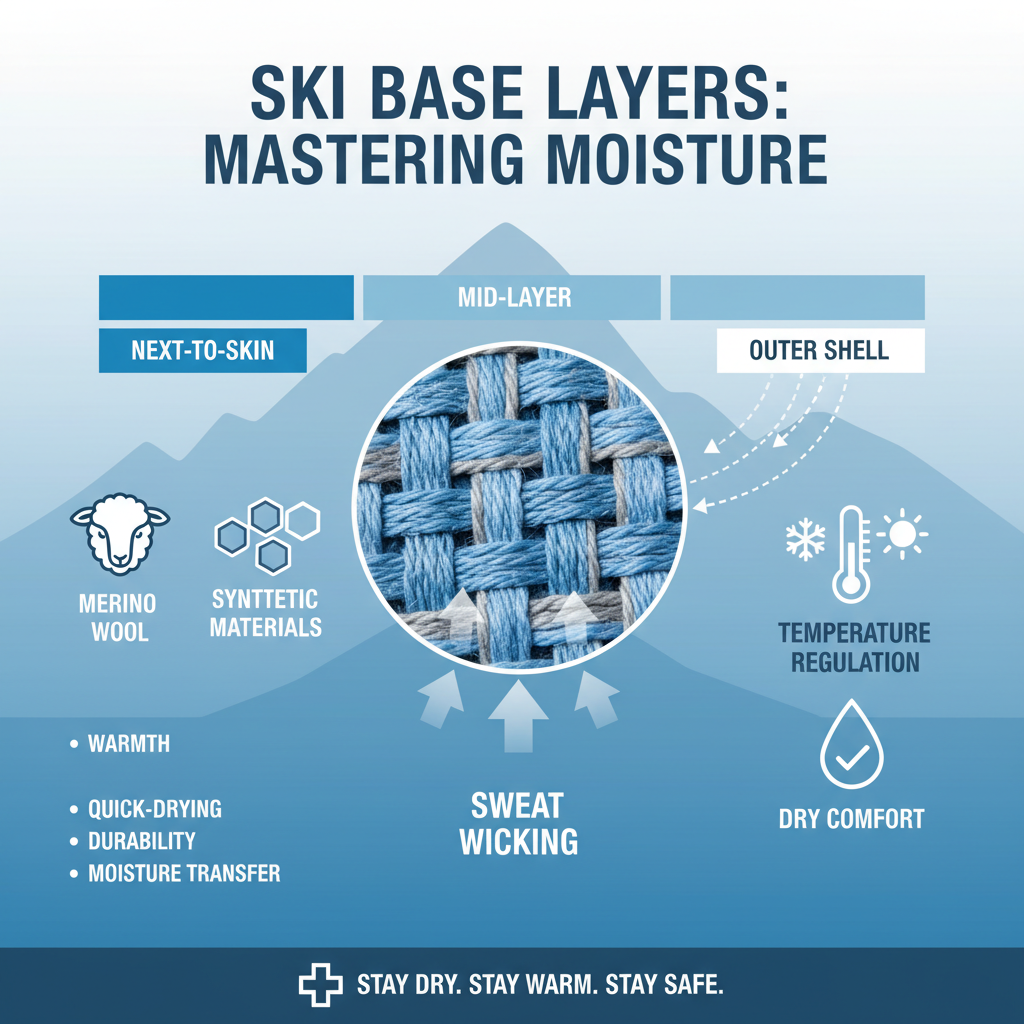
Treetops patrollers recommend:
- Merino wool or high-quality synthetic base layers
- Avoid cotton—it absorbs moisture and stays cold
- A snug, athletic fit that moves easily
Choose the right weight:
- Lightweight for higher-energy skiing
- Midweight or heavyweight for colder days, longer lift rides, or frequent stops
A good base layer keeps your temperature stable whether you’re moving fast or standing still.
2. Mid Layer: Build and Control Warmth
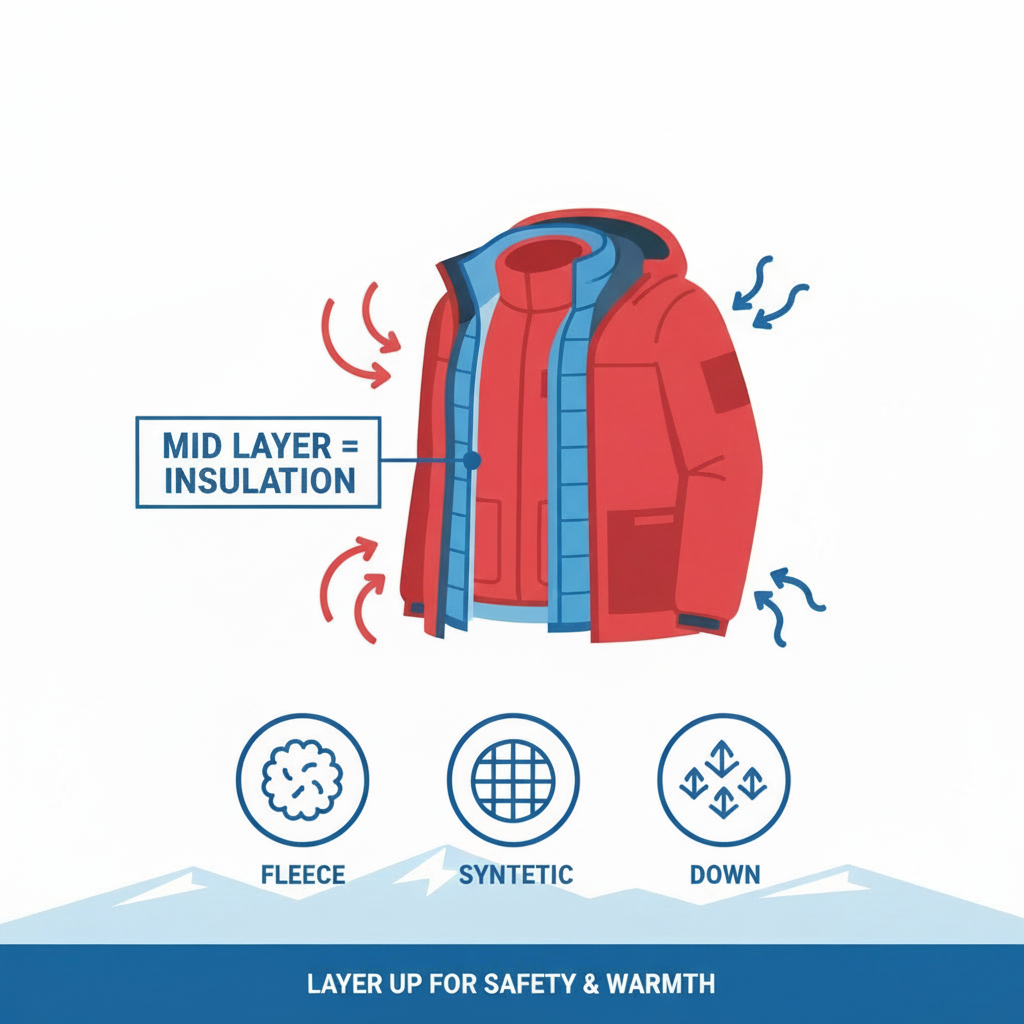
Mid layers provide insulation by trapping heat. This is where you can fine‑tune warmth based on weather and activity.
Patrol‑tested mid layers include:
- Fleece jackets or pullovers
- Lightweight insulated jackets
- Grid fleece for breathability
Patroller tip: Two lighter mid layers often work better than one bulky layer. This gives you flexibility—add warmth when it’s bitter cold or remove a layer if you heat up.
Down vs. synthetic insulation:
- Down offers excellent warmth on dry, cold days
- Synthetic insulation performs better in snowy or damp conditions
3. Outer Layer: Block Wind and Weather
Your outer layer is your defense against wind, snow, and moisture—often the biggest contributors to feeling cold.
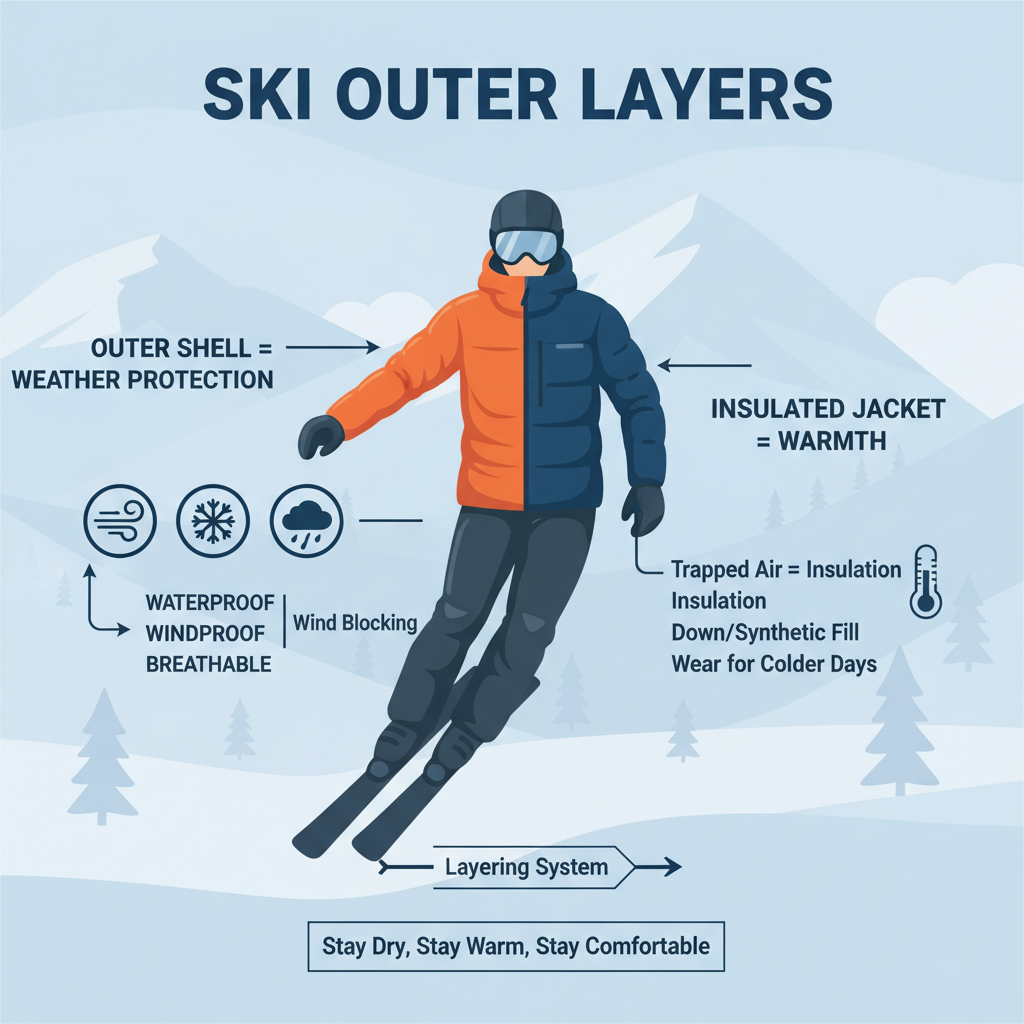
What Treetops patrollers look for:
- Waterproof and windproof fabric
- Breathability to release heat
- Adjustable vents and cuffs
- Helmet‑compatible hood
On especially cold or windy days, an insulated outer jacket can be more comfortable than a shell, particularly during long lift rides or standby periods.
4. Lower Body Layering: Keep Your Legs Warm
Cold legs can drain energy quickly, especially on windy chairlifts.
Patrol recommendations:
- Start with a moisture‑wicking base layer
- Insulated pants for very cold or low‑activity days
- Shell or soft‑shell pants paired with warm base layers for active skiing
Wind protection is just as important for your legs as it is for your upper body.
5. Extremities: Don’t Lose Heat Where It Counts
Hands, feet, head, and face are often the first areas to feel cold.
- Hands: Insulated gloves or mittens; mittens are generally warmer
- Feet: One pair of quality wool socks—avoid doubling up, which restricts circulation
- Head & Face: Helmet liners, neck gaiters, or balaclavas protect exposed skin from wind and frost
6. Adjust Throughout the Day
One of the most common mistakes we see is overdressing at the start. Begin slightly cool and adjust as you go using vents, zippers, and removable layers.
Treetops Ski Patrol advice:
- Stay dry to stay warm
- Dress for wind, not just temperature
- Carry an extra insulating layer on extremely cold days
Prepared for Cold, Ready for the Mountain
As mid‑season cold takes hold, dressing smart helps keep you comfortable, safe, and focused on enjoying the mountain. Take a page from the patrollers who spend their days outside: layer with intention, stay warm, and make the most of winter at Treetops.